Ever woken up with your hand or arm feeling like it’s gone to sleep?
Perhaps you find yourself shaking or tapping your hand to get the feeling back.
Maybe you’ve noticed pins and needles after sitting at your desk, or your hand feels a little weak or awkward when gripping the kettle.
And perhaps you’ve also been putting up with a stiff neck, tight shoulders or tension across your upper back.
It’s easy to assume that tingling or numbness in your hands must be carpal tunnel syndrome. But here’s something many people don’t realise:
Just because you’re feeling symptoms in your hands doesn’t necessarily mean the problem starts in your hands.

The connection between your neck and your hands
The nerves that supply feeling and movement to your arms and hands come from the lower part of your neck and upper spinal region. They travel from your spine, through the shoulder region, down your arms and into your hands and fingers.
Think of them a little like electrical wiring, carrying messages between your brain, spinal cord and the rest of your body.
If a nerve becomes irritated or compressed somewhere along its pathway, you may notice symptoms further down — including tingling, numbness, pain or muscle weakness.
So sometimes the problem you’re feeling in your hand may actually be connected to what’s happening much closer to your neck.
There’s another important connection we consider in chiropractic. Your spinal joints and surrounding muscles are constantly providing information to your nervous system about how your body is moving and where it is positioned. When those joints become stiff or restricted, that movement-related feedback can change.
This doesn’t automatically mean a nerve is trapped or compressed, but it helps explain why chiropractors are interested in how well your spine moves and functions, alongside examining the nerves themselves.
So, is it really carpal tunnel syndrome?
Carpal tunnel syndrome occurs when a nerve called the median nerve becomes compressed as it passes through a narrow space in your wrist.
It commonly causes tingling or numbness, particularly affecting the thumb, index finger, middle finger and part of the ring finger. Some people also notice weakness or trouble gripping. Symptoms are often worse at night, sometimes waking people from sleep and prompting them to shake their hands.
But carpal tunnel isn’t the only possible explanation.
Nerves from your lower neck: Irritation or pressure affecting a nerve as it leaves your spine can produce symptoms further down your arm, sometimes reaching your hand or fingers.
Thoracic outlet syndrome: Nerves can become compressed as they pass through the region around your neck, upper ribs and collarbone. This may contribute to an arm feeling heavy, tired, numb or tingly, especially in certain positions.
Nerve pressure around the elbow or elsewhere in the arm: Other nerves can also become irritated or compressed along their pathway to the hand.
These conditions can sometimes feel remarkably similar, even though the source of the problem may be quite different. And that is why a thorough examination matters.
Can more than one area be involved?
Interestingly, sometimes there may be more than one area contributing to nerve symptoms.
There’s a concept called double crush syndrome, where a nerve pathway may be affected in more than one location — for example, near the neck and again at the wrist.
Researchers have observed that neck-related nerve problems and carpal tunnel syndrome can occur together, although exactly how these problems influence one another is still being investigated.
The important point is that looking only at the hand or wrist may not always provide the whole picture.
What about that tight neck, shoulder or upper back?
This is something we’re particularly interested in at The Chiropractic Domain.
People often tell us that their neck feels stiff, their shoulders are constantly tight or they carry tension across their upper back. Sometimes these complaints occur alongside tingling, numbness or unusual sensations in the arms and hands.
Of course, tight shoulders don’t automatically mean there’s pressure on a nerve. But when someone has both neck or shoulder discomfort and recurring symptoms in their hands, it’s worth investigating whether there may be a connection.
As chiropractors, we want to understand not only where you’re feeling the symptoms, but what might be contributing to them.
Why we look beyond your hands at The Chiropractic Domain
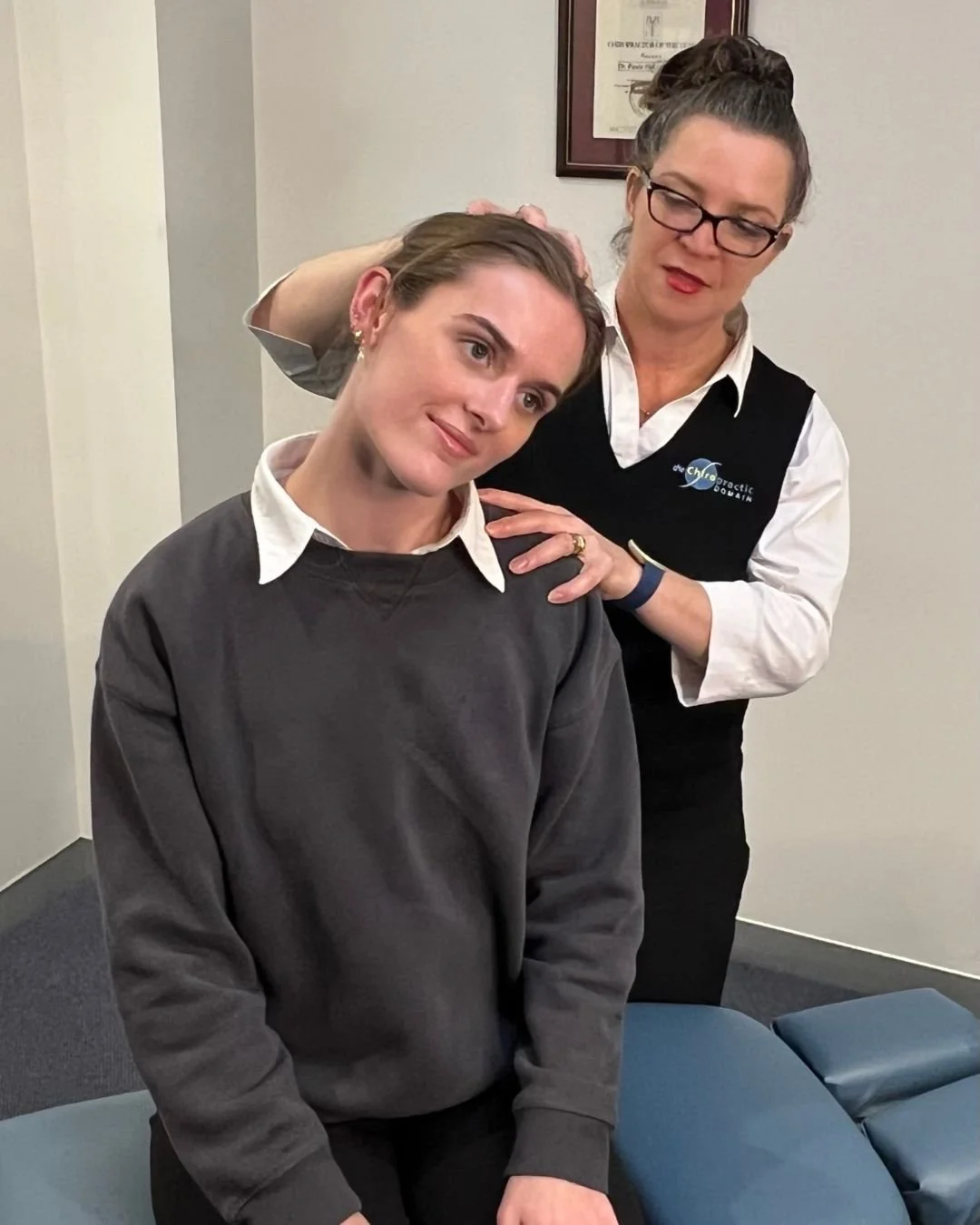
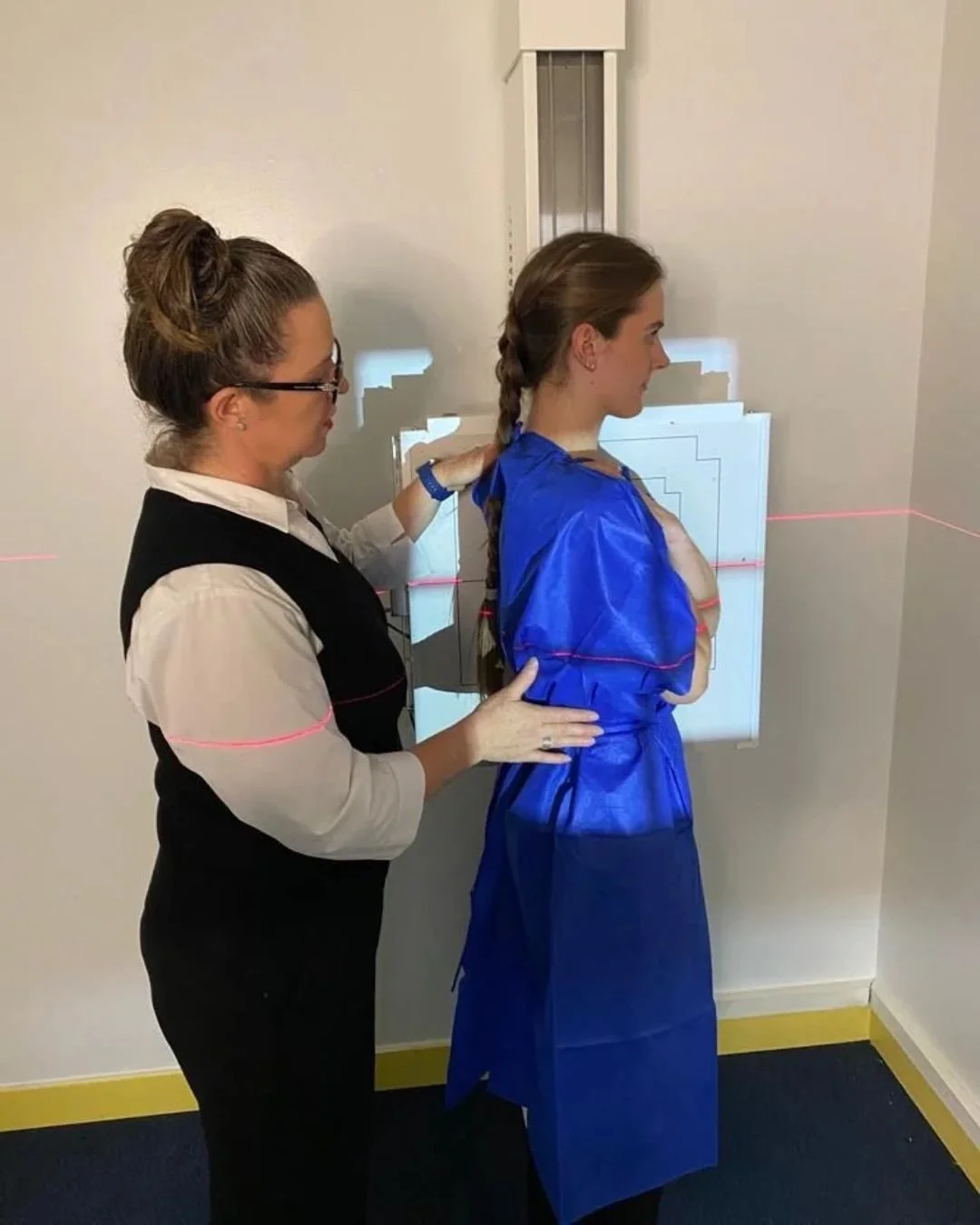
When someone comes to us with tingling or numbness in their hands, we don’t simply assume it’s carpal tunnel syndrome. We take the time to understand what’s happening.
That means listening carefully to your symptoms and examining how your neck, upper back, shoulders, arms and hands are functioning. Depending on your presentation, our chiropractors may assess:
How well your neck and upper-back joints are moving.
Your posture and everyday working positions.
Your shoulder, arm, elbow and wrist function.
Your muscle strength, sensation and reflexes.
Whether particular movements or positions reproduce your symptoms.
This helps us build a clearer picture of what may be contributing to the problem — and importantly, whether chiropractic care may be appropriate for you.
If further testing or another healthcare professional’s involvement is needed, we’ll discuss that with you too. Our goal is to help you understand what’s happening and make an informed decision about the most appropriate next steps.
Don’t just keep shaking it off
It’s easy to dismiss the occasional pins and needles, especially when shaking your hand or changing position seems to make it go away. But when symptoms keep returning, interrupt your sleep or begin affecting your everyday activities, it’s worth finding out why.
Perhaps this sounds familiar to you. Or perhaps it’s something your partner, a family member or a friend has been mentioning for months.
Sometimes the place where you feel the problem isn’t the place where it begins.
At The Chiropractic Domain in Goodwood, our chiropractic team takes the time to look beyond the symptom and investigate what may be contributing to it.
If you’re experiencing recurring hand tingling, numbness or changes in hand or arm function, book a thorough chiropractic consultation with us.
Let’s investigate what may be causing those symptoms, whether chiropractic care is suitable for you and what your next steps could be.
Frequently Asked Questions
-
Sleeping positions can put pressure on nerves or keep your wrists and elbows bent for long periods. Carpal tunnel syndrome and ulnar nerve irritation are two possible explanations. If it keeps happening, an assessment can help identify the likely cause.
-
The fingers affected and any accompanying symptoms can offer clues. Carpal tunnel commonly affects the thumb, index finger, middle finger and part of the ring finger. Nerve irritation in the neck can cause hand tingling alongside arm pain or weakness, sometimes without neck pain.
These patterns can overlap, so I would consider your history and examination findings together rather than rely on one symptom.
-
Tingling in the little finger and the adjacent half of the ring finger can suggest ulnar nerve involvement. This nerve may become irritated around the elbow, particularly with prolonged bending or pressure. It is a different pattern from typical carpal tunnel symptoms and deserves an assessment if it persists or returns regularly.
-
The first step is understanding what may be causing the tingling. A chiropractic assessment can include reviewing your symptoms and checking relevant movement, strength, sensation and reflexes.
If a musculoskeletal condition is identified, we can discuss whether care within our scope is appropriate. Some causes need medical investigations or treatment, so referral may be the most suitable next step. Chiropractic treatment is not appropriate for every cause of hand tingling.
-
Arrange an assessment if tingling keeps returning, interrupts sleep or affects daily activities.
Seek prompt medical assessment for new or worsening weakness, persistent loss of sensation, rapidly progressing symptoms or increasing hand clumsiness. Sudden one-sided weakness or numbness, facial drooping or speech difficulty require emergency care. Call triple zero (000) immediately, even if symptoms settle.