Squattober: We’re Halfway There — But It’s Not Too Late to Start!
Have you noticed yourself using your hands to push up out of a chair? Perhaps the low lounge feels harder to get out of, or getting up after gardening takes a little more effort than it used to.
Those everyday moments are exactly why I created Squattober at The Chiropractic Domain.
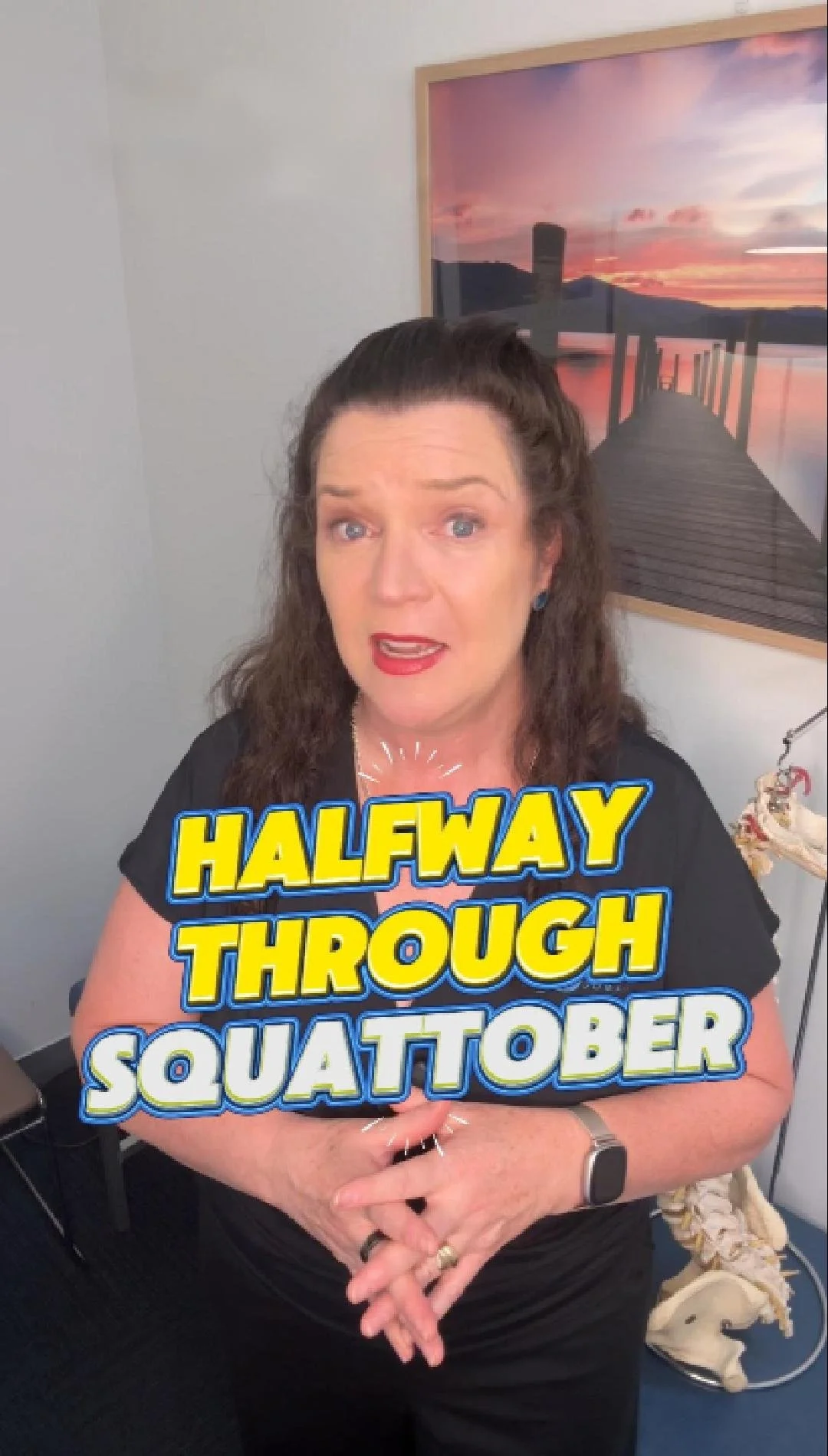
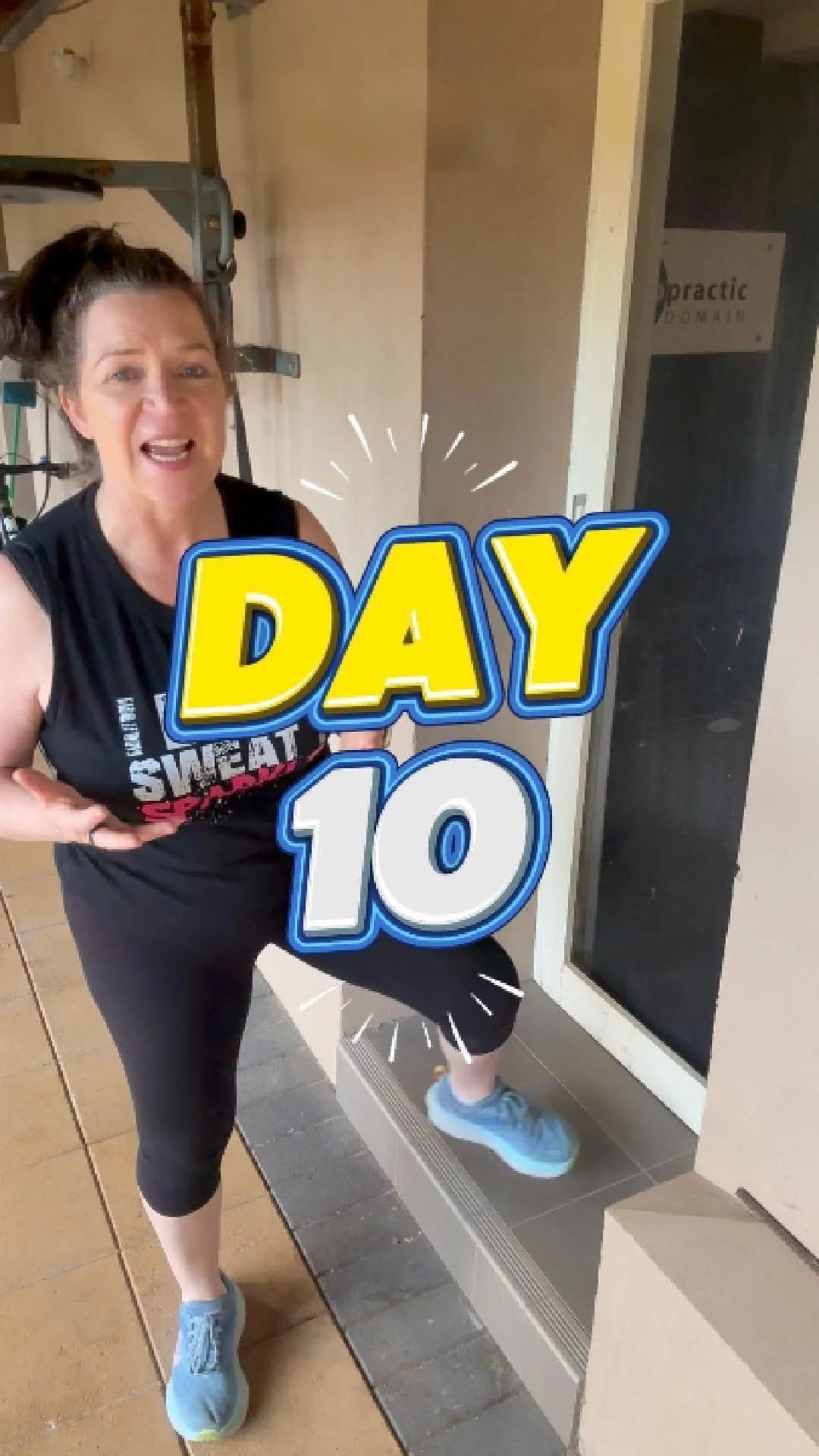
We’re now halfway through our October challenge — 10 different ways to squat down, 10 more to go!
If you’ve been following along, well done! And if you’ve only just discovered Squattober, you’re certainly not too late to join us.
Your starting point might be as simple as sitting down and standing up from a chair. That counts!
What is Squattober?
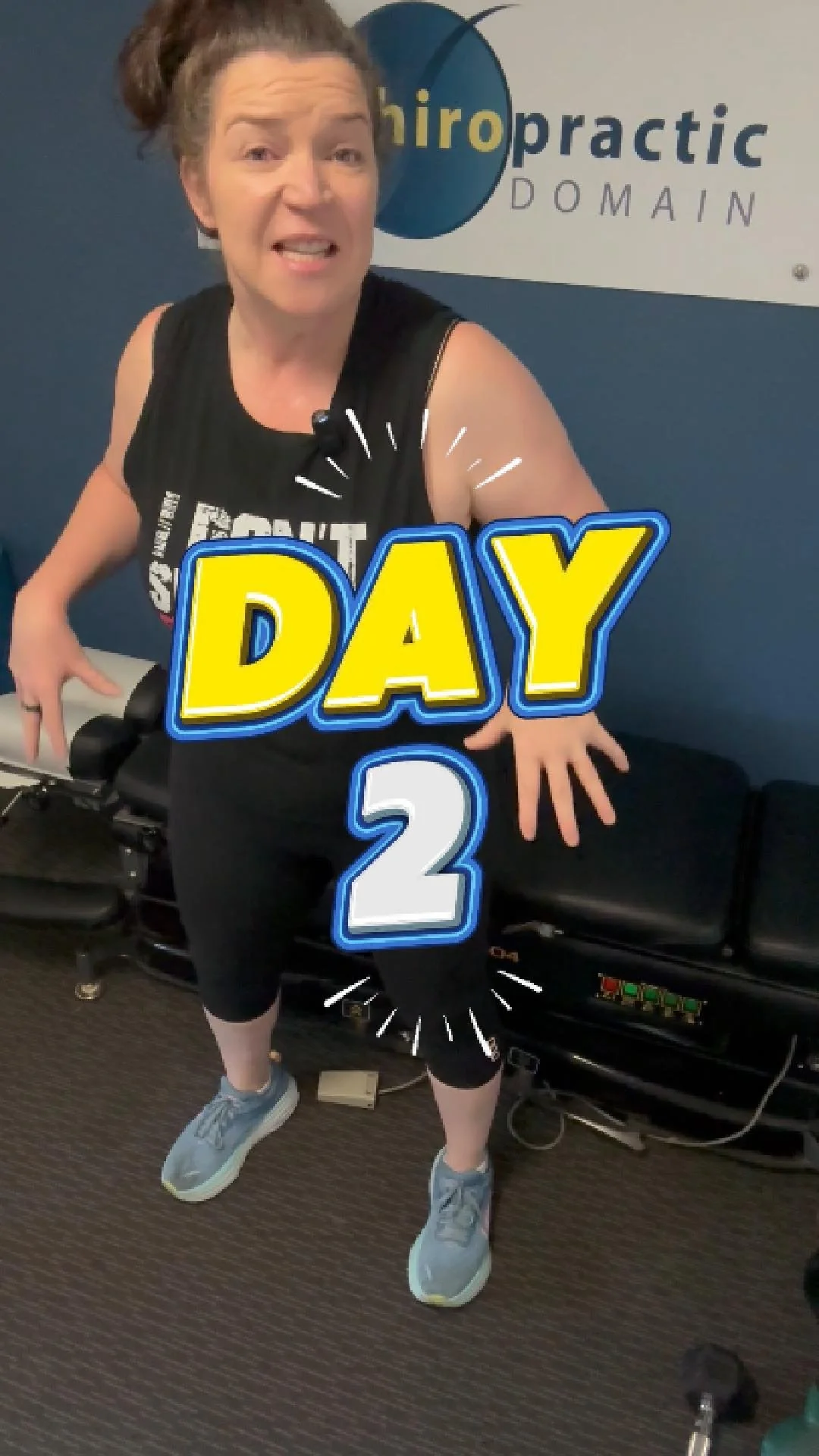
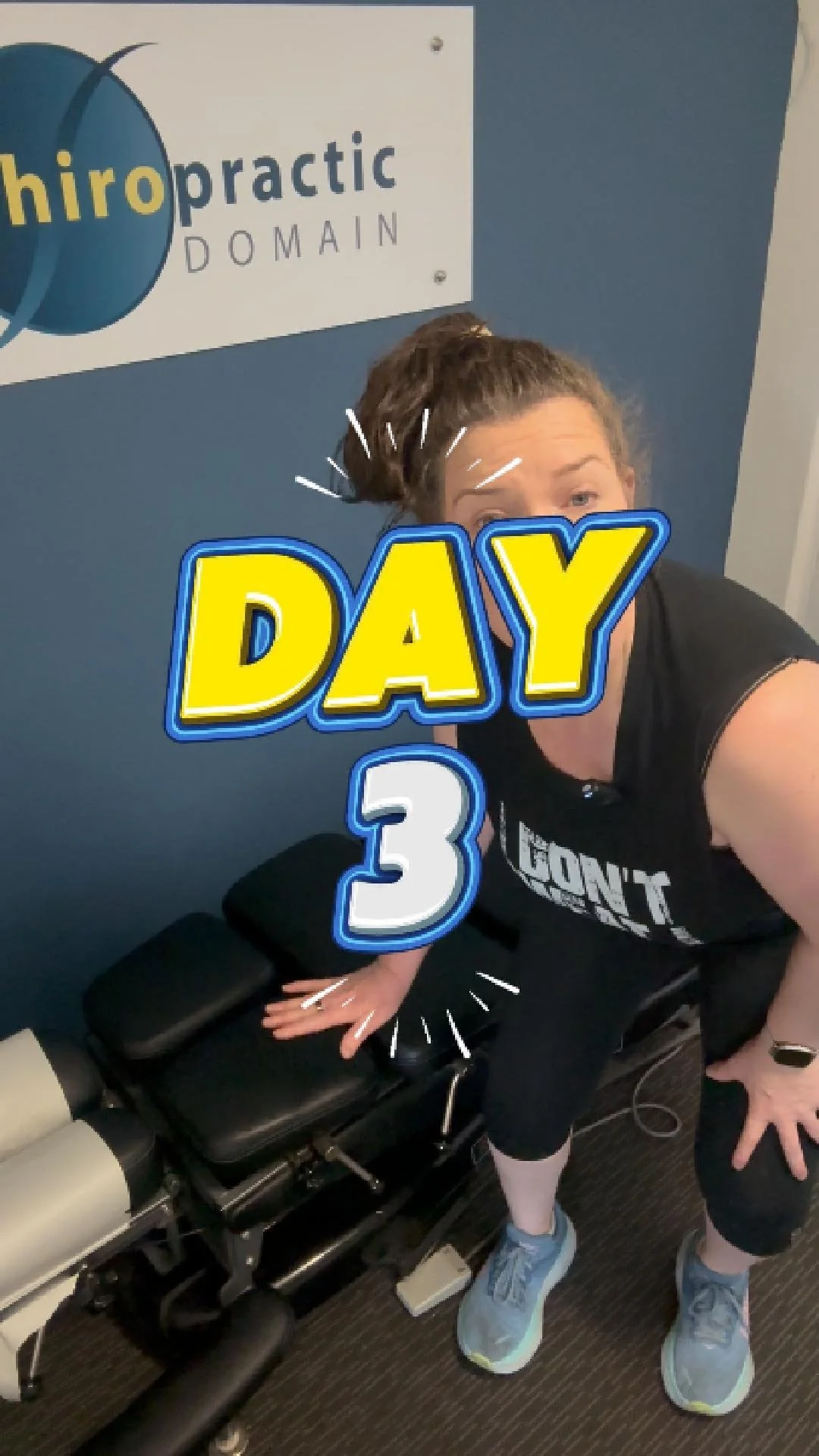
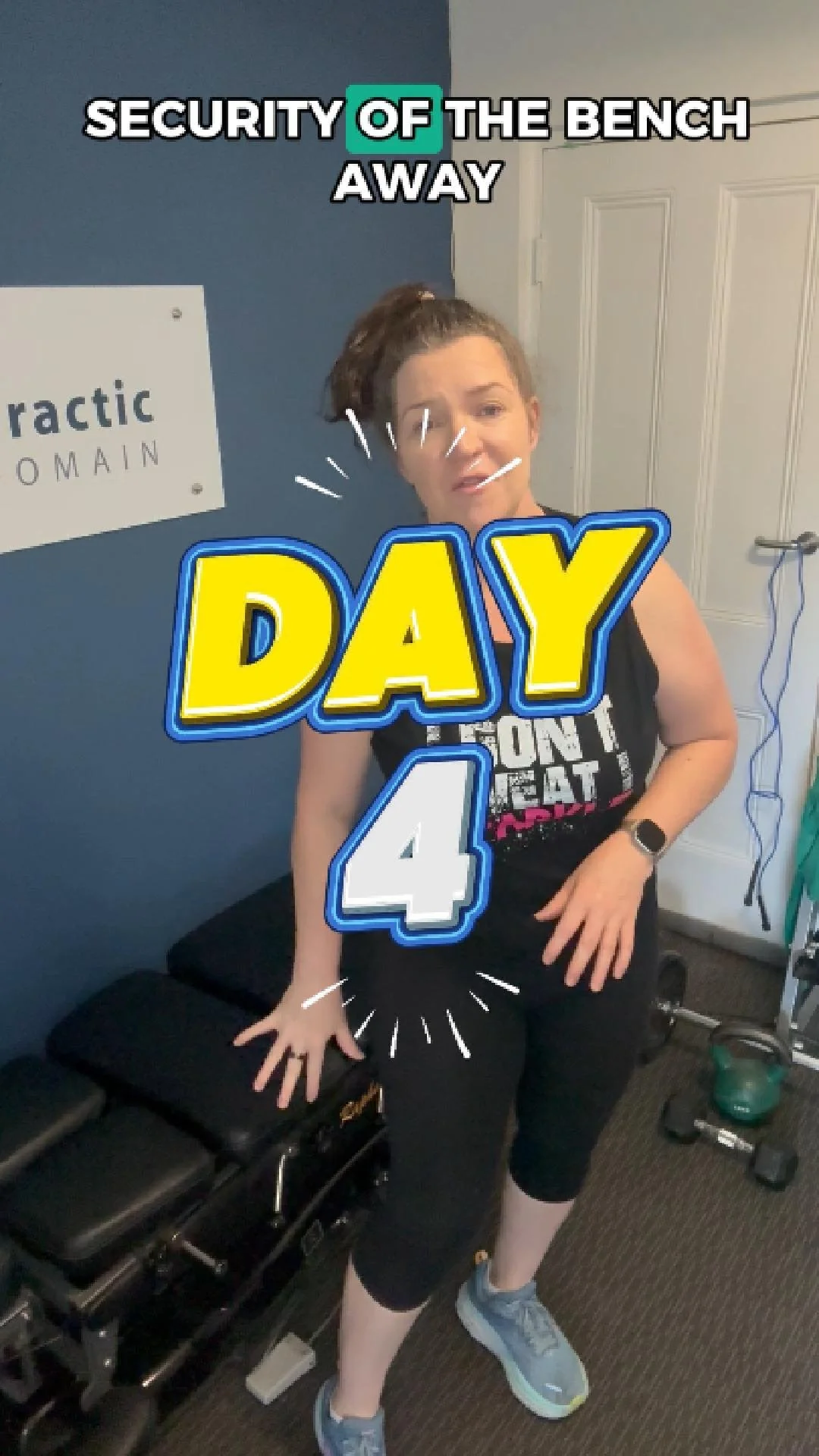
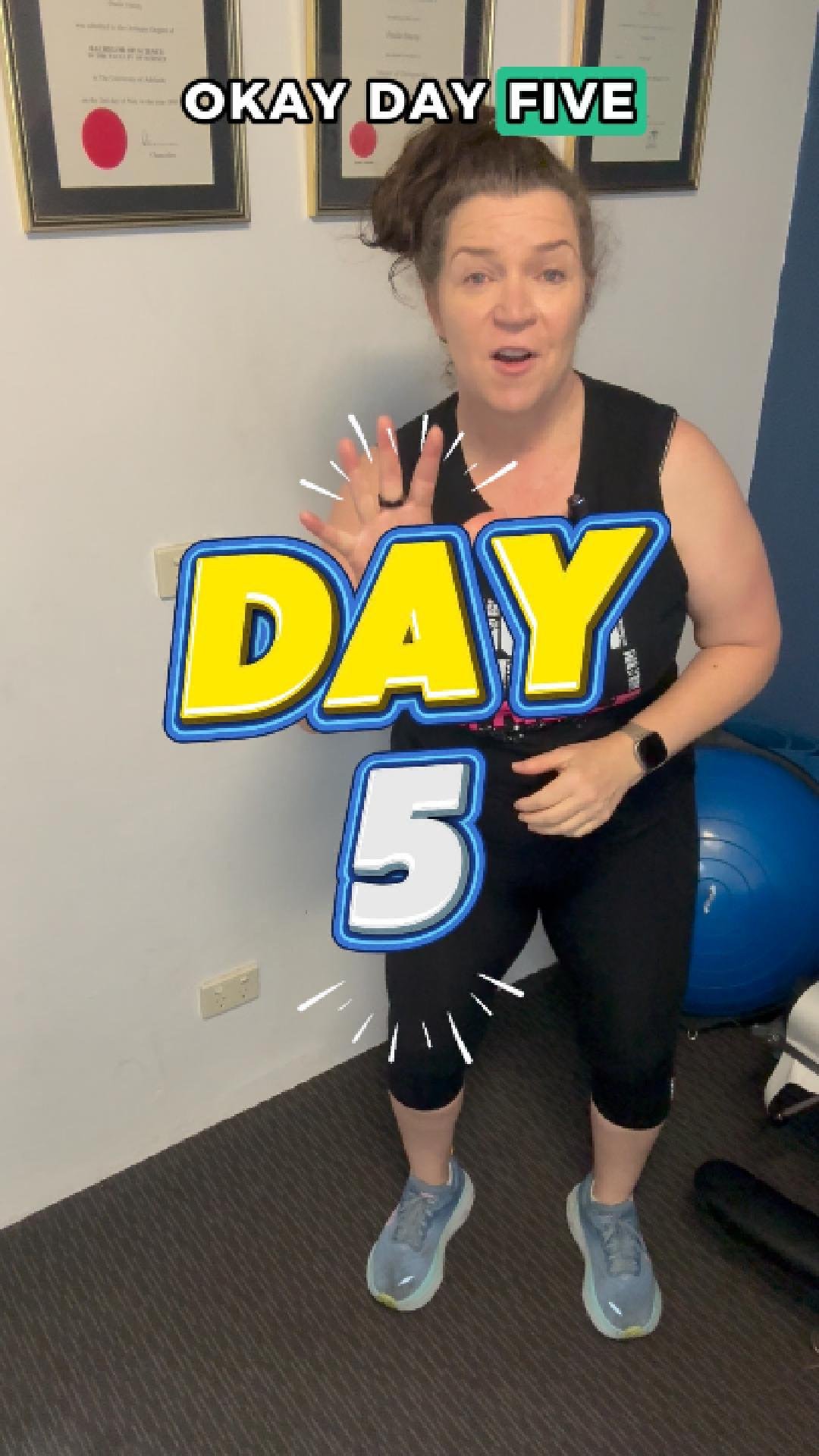
Across 20 weekdays this October, I’m sharing 20 different ways to squat, with short demonstrations on our Facebook and Instagram pages.
We started on 5 October with a simple chair sit-to-stand, then gradually introduced variations to challenge strength, range of movement, resistance and control.
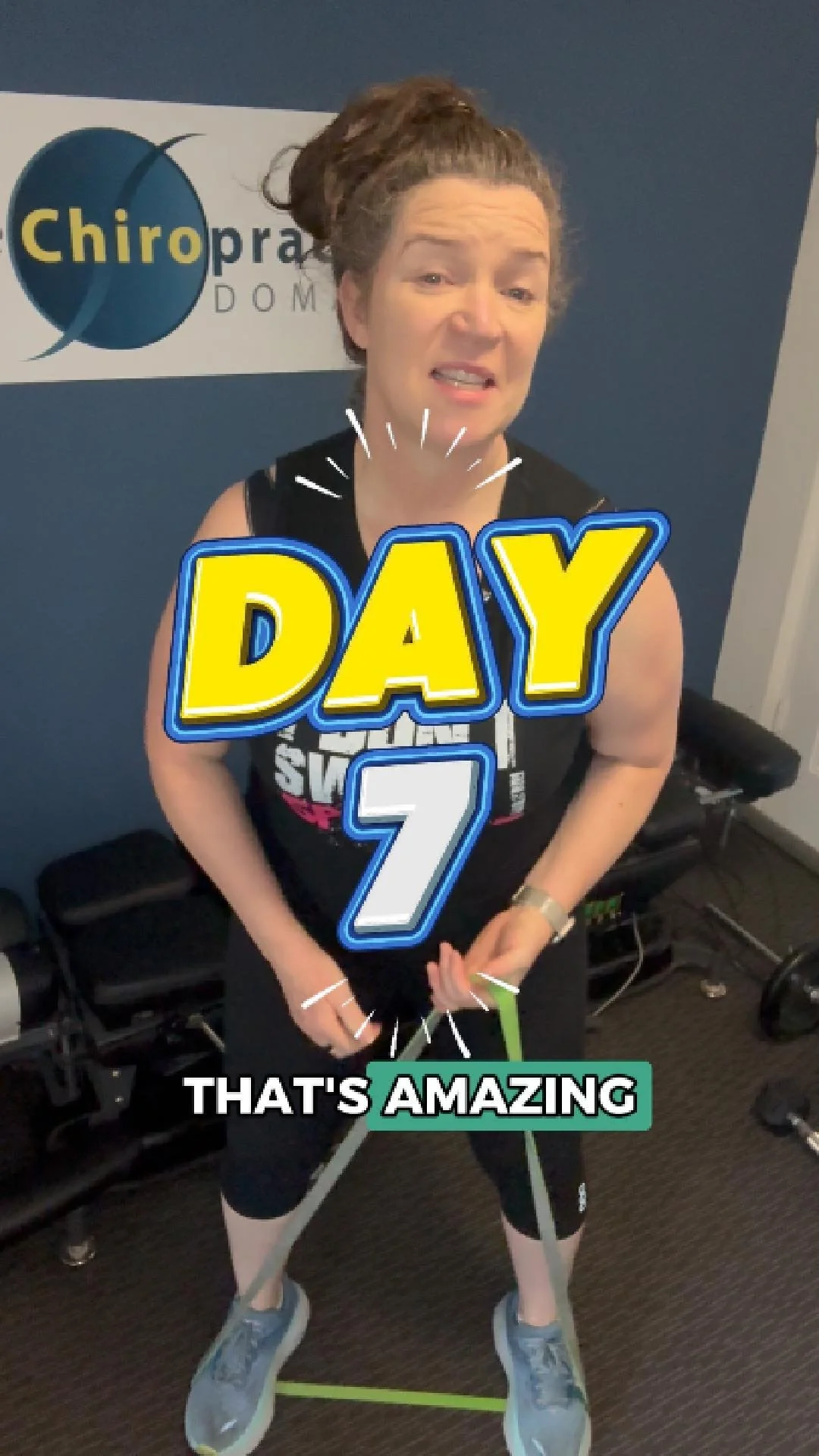
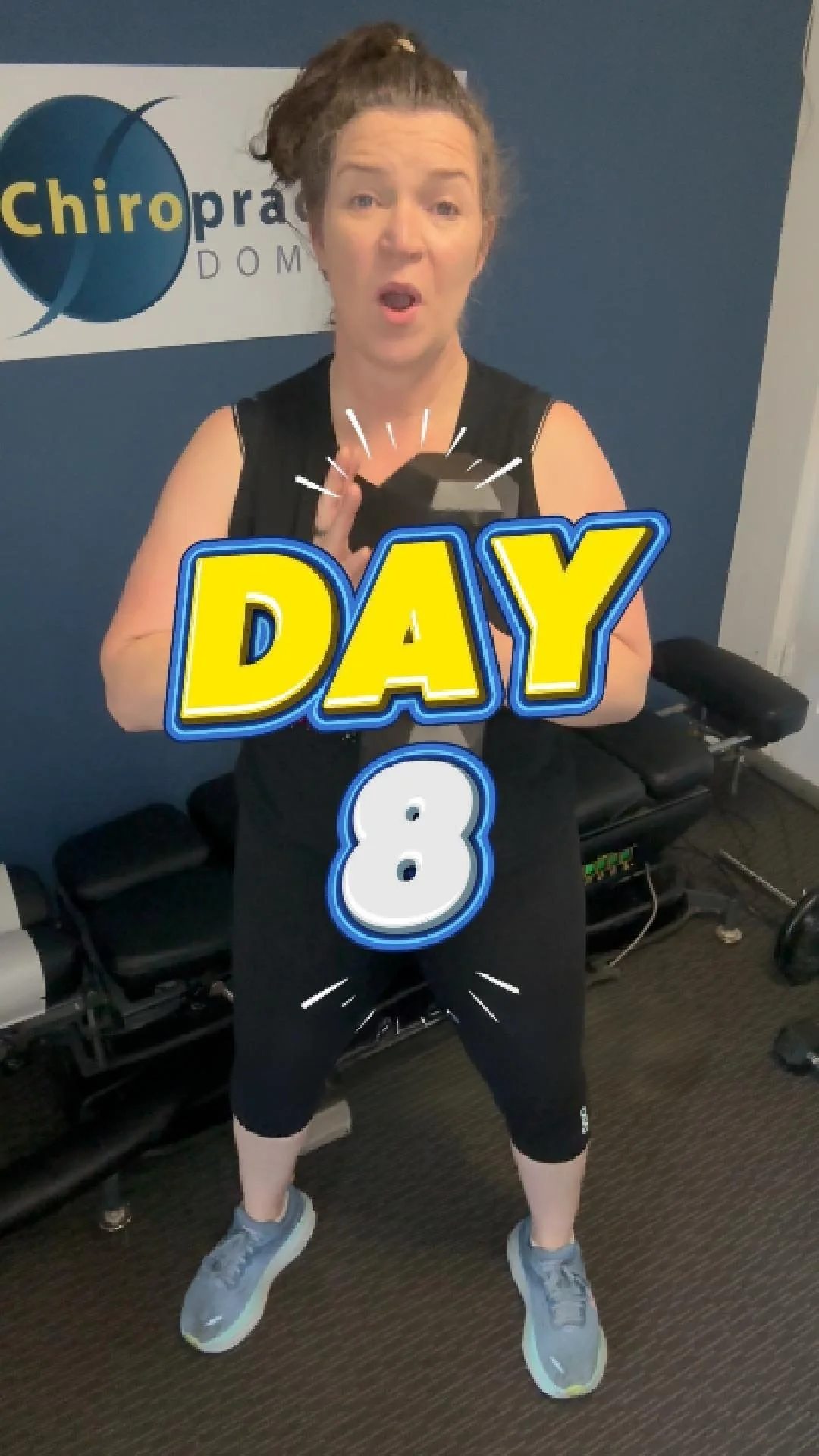
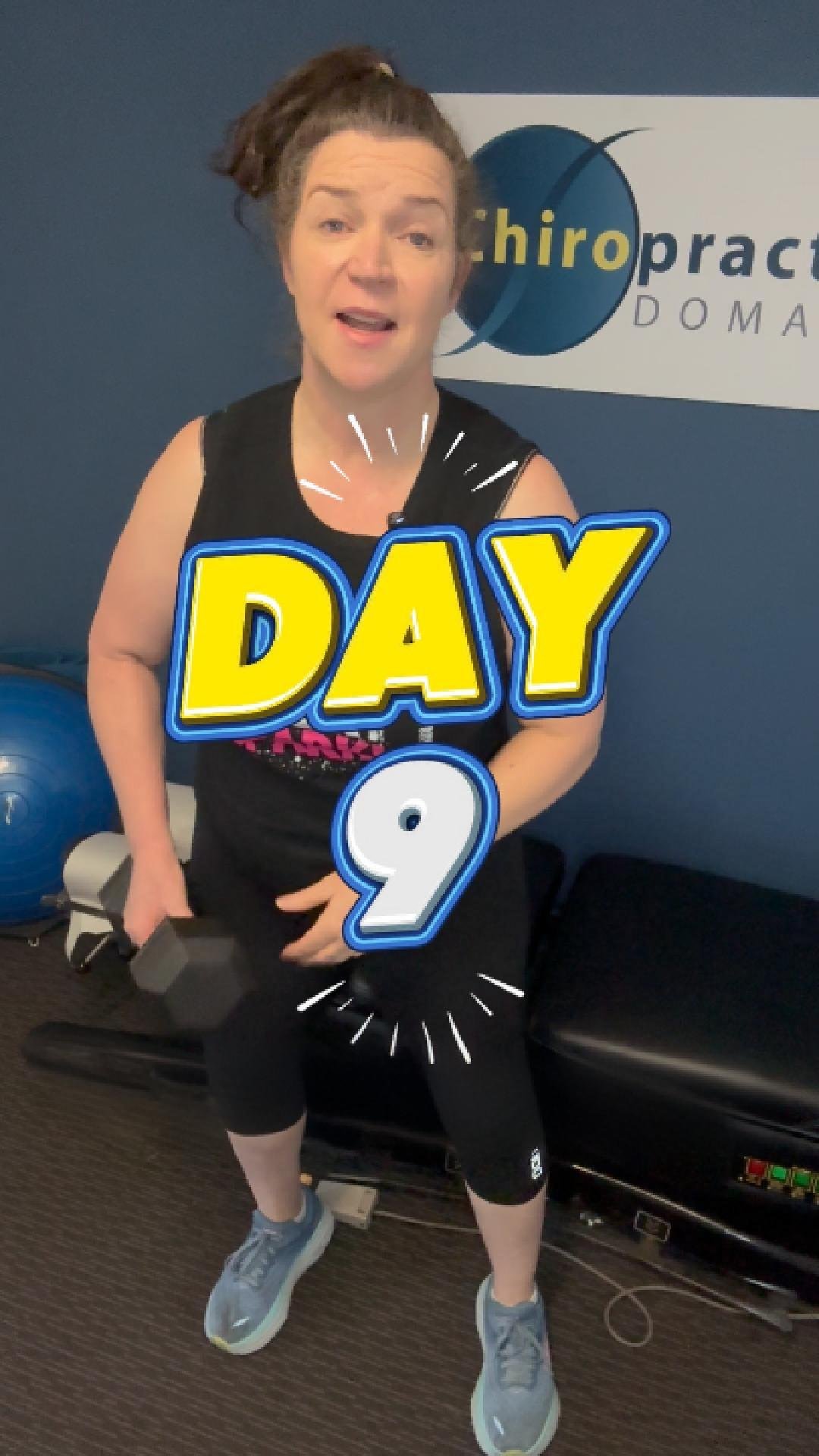
Some use nothing more than your body weight. Others involve a chair, resistance band or hand weight.
And here’s the important part: you don’t need to keep up with every progression.
Find a version that works for you, practise it regularly, and build from there.
Why stronger legs matter — at any age
Think about how often you squat without even realising it.
Getting out of a chair. Picking something up from the floor. Gardening. Climbing stairs. Getting in and out of the car.
Your glutes, quadriceps and calves all play important roles in these everyday movements.
And leg strength isn’t just about staying independent as we age.
For people dealing with lower back or hip problems, improving the strength and control of the muscles supporting the pelvis and lower body can also be an important part of better movement and recovery.
Regular strengthening exercise also helps us maintain muscle function as we get older. Australian physical activity guidelines recommend strength-building activities at least twice a week for older adults, alongside activities supporting balance and mobility.
That’s why I’m encouraging people to start working on their squat now — whatever their age or current fitness level.
Halfway through — what have we learned?
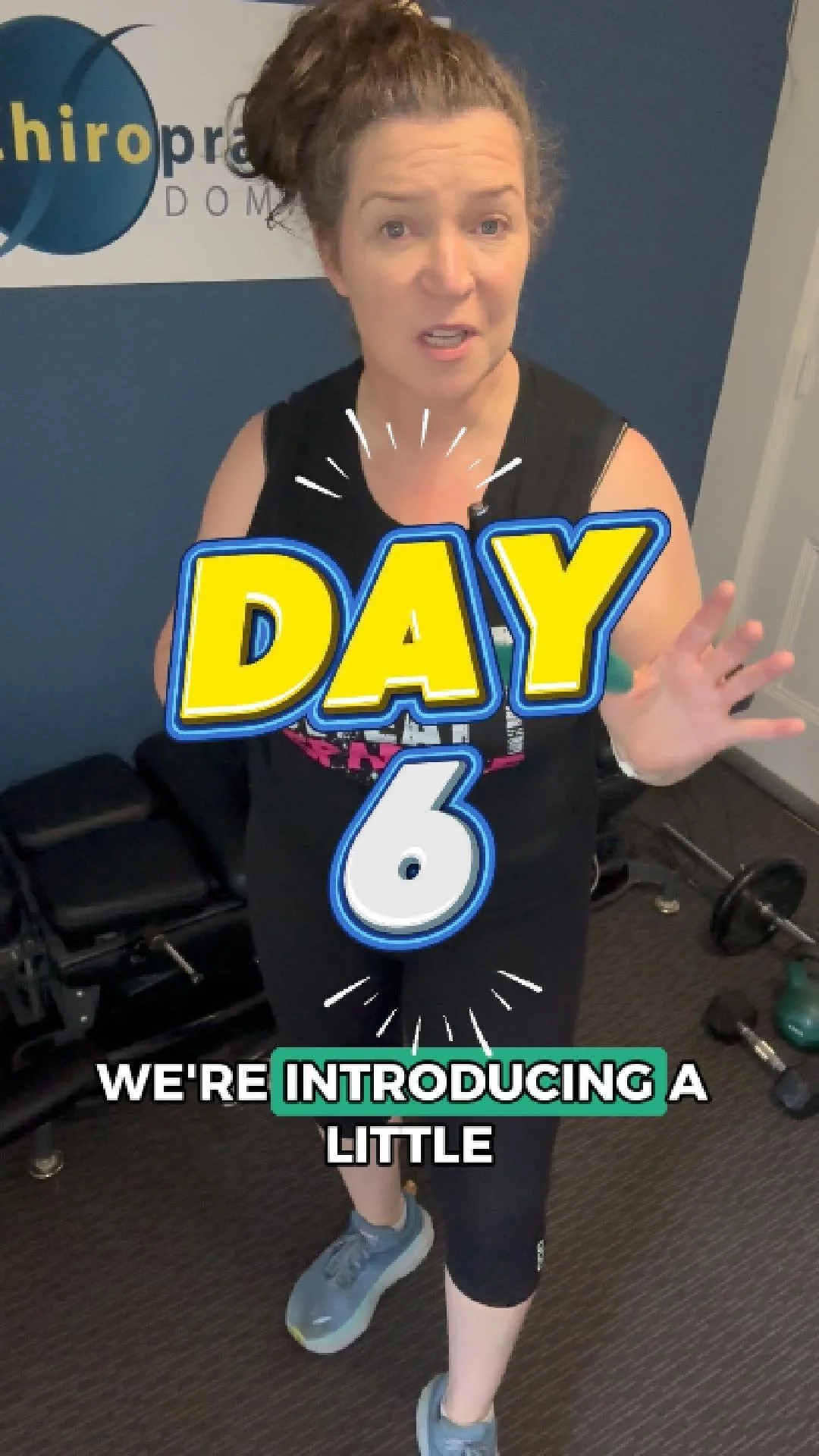
Our first 10 Squattober exercises have taken us from a simple chair sit-to-stand through different squat variations, including resistance bands, weights and split squats.
The second half introduces even more variety — moving sideways, exploring deeper ranges, changing our stance and challenging balance and control.
But remember, this isn’t a competition.
You don’t need to complete all 20 exercises, or even do a different squat every day.
You might find that one or two versions are just right for you. Practise those, give your muscles appropriate recovery time, and progress when you’re ready.
If an exercise causes pain, stop and seek advice. If you’re unsure what’s suitable for you, particularly if you have an existing injury or balance concerns, get some individual guidance.
Where chiropractic fits into the picture
At The Chiropractic Domain, we’re interested in more than simply getting you out of pain. We want you moving well, functioning well and staying active for longer.
Chiropractic adjustments can be an important part of improving spinal and pelvic joint function, but that’s not the whole picture.
We also want the muscles supporting those movements to be strong, coordinated and capable of handling the demands of everyday life.
That’s one of the reasons I created Squattober.
Good movement and good strength belong together.
It’s not too late to join us!
If you’ve been doing Squattober, congratulations on getting this far!
And if you’ve only just discovered it, why not start today?
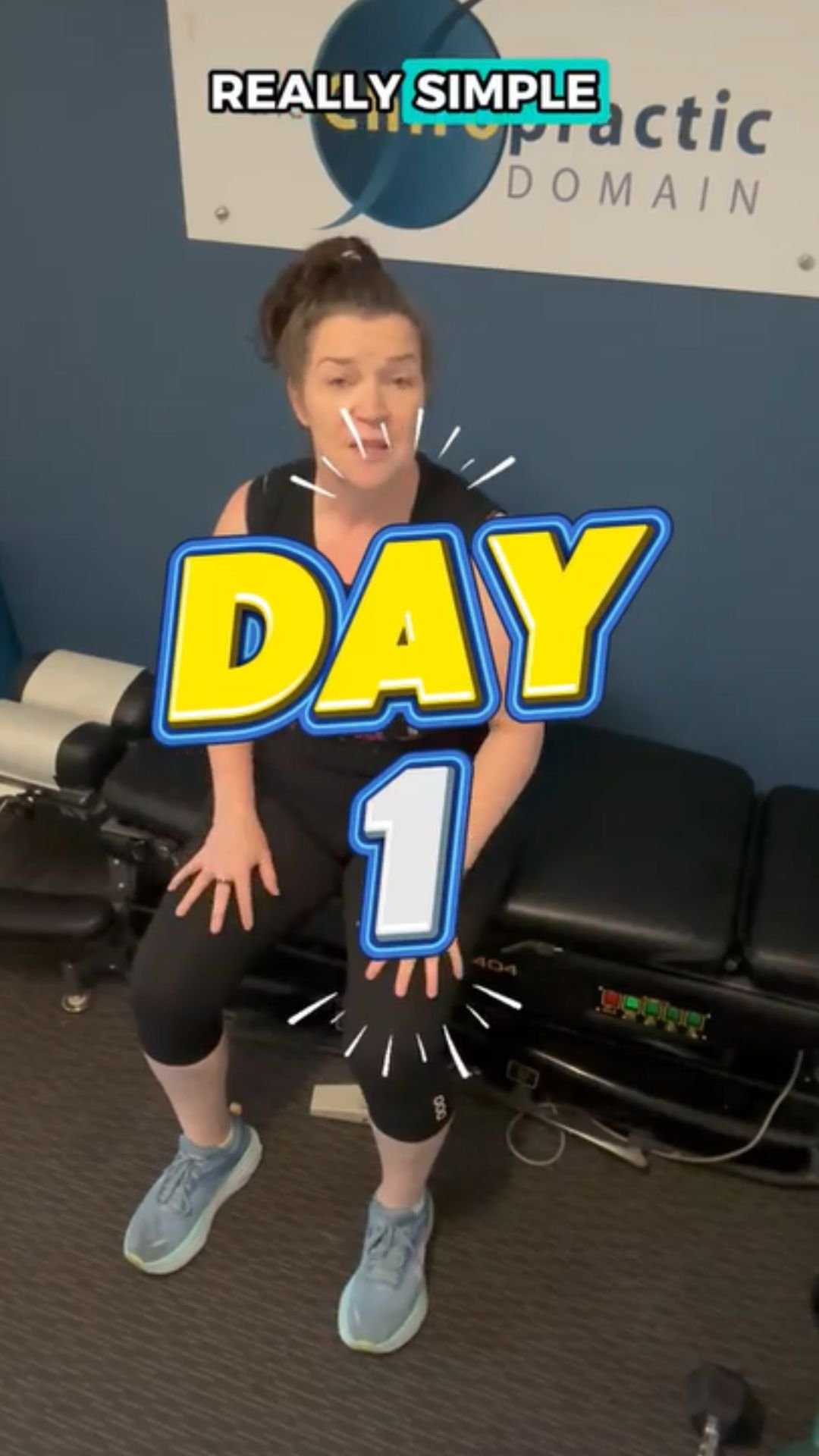
Head over to The Chiropractic Domain on Facebook or Instagram, find our Squattober Day 1 chair sit-to-stand video, and give it a try.
Or browse the first 10 exercises and choose a variation that suits your starting point.
We’ve still got 10 more to come!
Start where you are. Build from there.
And if lower back or hip pain is making everyday movement difficult, our team at The Chiropractic Domain in Goodwood is here to help you understand what’s going on and explore your options.
Frequently Asked Questions
-
You can begin with a simple version, such as sitting down and standing up from a chair. Start gradually. If you’ve been mostly inactive or have a medical condition, check with your doctor before starting a new exercise program.
-
A sturdy chair is enough for the first exercise. Some later demonstrations use a wall, resistance band or hand weight, but you can keep practicing a version that suits you.
-
No. I’m sharing different options so you can find movements that work for you. You can repeat an earlier version, skip a variation and allow recovery between harder sessions.
-
Stop the exercise if it causes pain. You don’t need to reach a particular depth or push through discomfort. Seek individual advice to help you choose an appropriate starting point.
-
If pain or stiffness is making movement difficult, a chiropractic assessment can help us understand your symptoms and discuss an appropriate starting point.
Depending on your needs, care may include exercise advice, joint mobilisation or adjustments. Manual therapy may help some people with lower back pain as part of a plan that includes exercise.
At The Chiropractic Domain, I want to help you choose movements that suit you and the everyday activities you want to keep doing. If another health professional would be better suited to your needs, we can discuss a referral.